
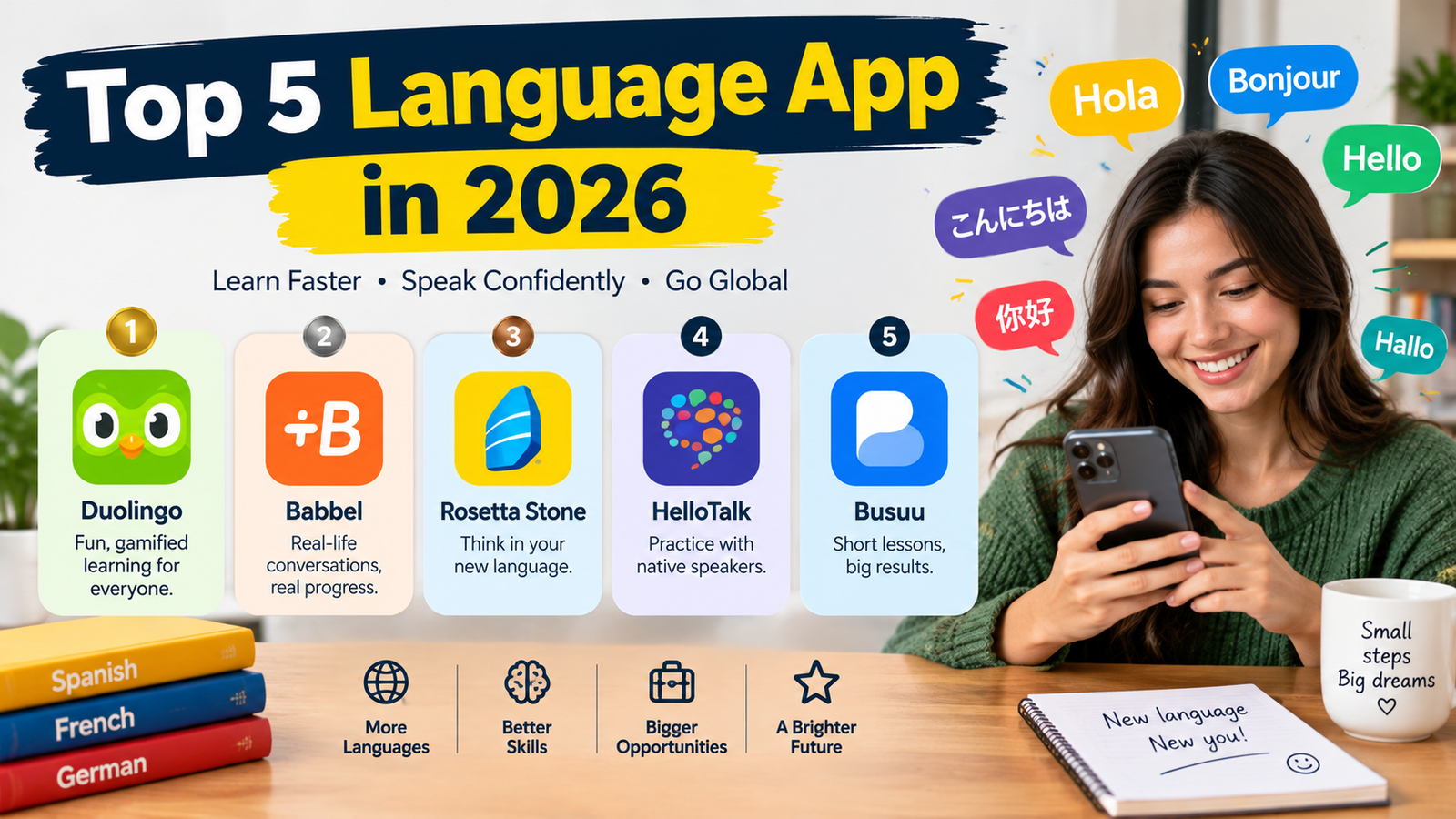
The top 5 language apps in 2026 are Duolingo, Babbel, Rosetta Stone, Pimsleur, and Busuu, each serving a different type of learner based on budget, learning style, and goals. Duolingo leads for free, gamified daily practice, Babbel for structured grammar and conversation, Rosetta Stone for immersive visual learning, Pimsleur for audio-based study, and Busuu for complete free courses with native-speaker feedback. Choosing between them comes down to how you learn best and whether you want app-only study or live conversation practice alongside it.
What Makes a Language App Good in 2026?
A strong language app in 2026 combines structured lessons, meaningful practice opportunities, and a learning style that matches how the user actually absorbs new information. Visual learners benefit from image-based, context-driven lessons, while auditory learners do better with audio-first formats that emphasize listening and speaking. No single app serves every type of learner equally well, which is why the strongest language-learning strategy in 2026 generally combines an app with real conversation practice through tutoring or language exchange.
Pricing structure also matters more than it once did, since most major apps now operate on freemium models that offer a limited free tier alongside a paid subscription. Understanding what’s actually included for free, versus what’s locked behind a paywall, helps learners avoid committing to a subscription before confirming the app fits their learning style.
Quick Comparison: Top 5 Language Apps
| App | Best For | Learning Style | Price Model | Key Limitation | Official Website |
|---|---|---|---|---|---|
| Duolingo | Free daily habit building | Gamified, bite-sized lessons | Free (ad-supported) + premium | Limited speaking practice | duolingo.com |
| Babbel | Structured grammar & conversation | Dialogue-based curriculum | Paid subscription | Mainly European languages | babbel.com |
| Rosetta Stone | Immersive, visual learning | Image-based, no translation | Paid subscription | Less explicit grammar instruction | rosettastone.com |
| Pimsleur | Audio-based learning | 30-min listen & respond lessons | Free lesson + paid subscription | Less visual/written practice | pimsleur.com |
| Busuu | Free courses + native feedback | Structured, CEFR-aligned | Complete free tier available | Advanced features behind paywall | busuu.com |
Duolingo: Best Free App for Daily Habit Building
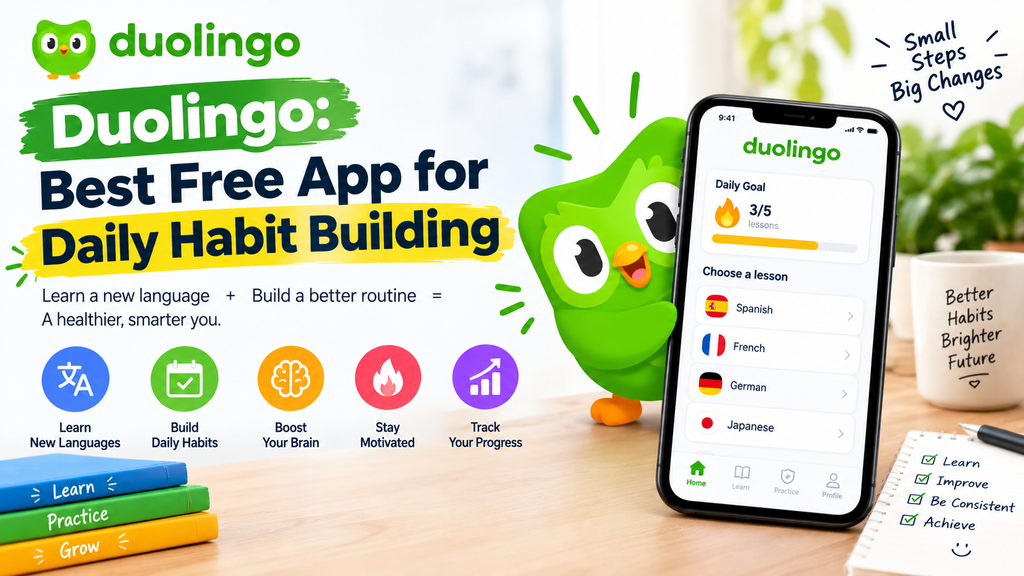
Duolingo is the most widely used free language learning app, offering ad-supported courses in more than 40 languages. Its gamified structure, built around short daily lessons, streaks, and point systems, makes it especially effective for learners who want to build a consistent study habit without a steep time commitment. The app’s bite-sized format suits beginners and casual learners building vocabulary and basic grammar, though it offers comparatively limited speaking practice.
Because Duolingo prioritizes engagement and repetition over deep grammatical explanation, learners pursuing fluency or advanced conversational skills typically need to pair it with another resource. Despite this limitation, its zero-cost entry point and extensive language catalog keep it the default starting point for most beginners in 2026.
Babbel: Best for Structured Grammar and Conversation
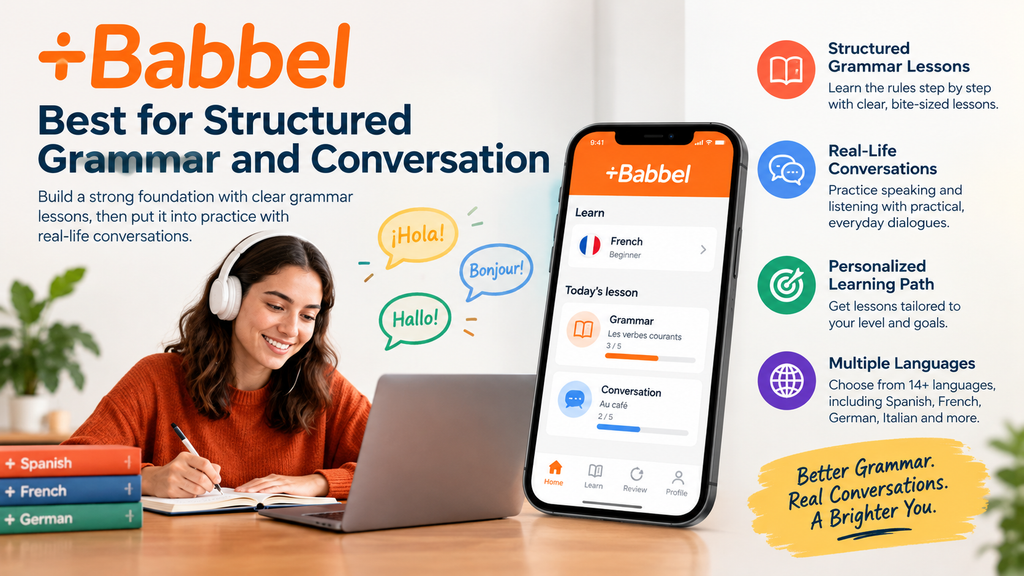
Babbel focuses on practical conversation skills through structured courses built around real-world dialogues and grammar explanations. Unlike Duolingo’s game-first approach, Babbel is designed by language experts around a curriculum that builds grammatical understanding alongside vocabulary, making it a strong fit for learners who want to understand the mechanics of a language rather than memorize isolated phrases. The app specializes primarily in European languages, where its structured dialogue format is particularly effective.
Babbel’s lessons are shorter and more tightly scoped than a full classroom course, which makes it approachable for learners with limited daily study time while still delivering grammar depth that purely gamified apps skip.
Rosetta Stone: Best for Immersive, Visual Learning
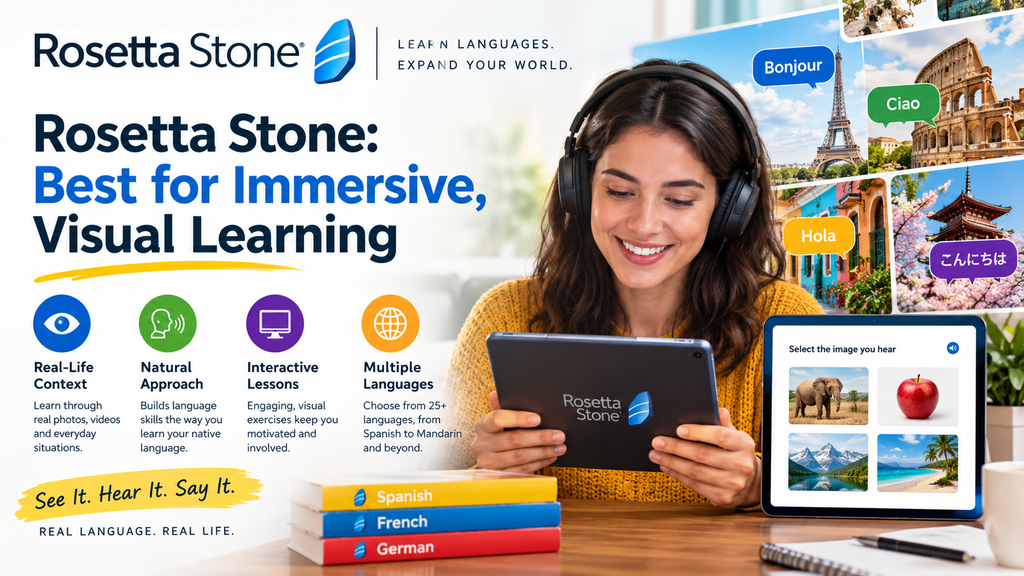
Rosetta Stone uses an immersive, image-based method that teaches language without relying on translation into the learner’s native language. This context-based approach, where images and native-language audio are paired directly rather than translated, suits visual learners who prefer picking up meaning through association rather than direct explanation. Rosetta Stone has operated in language education for over three decades, and this immersive methodology remains its defining feature.
The tradeoff is that Rosetta Stone’s self-guided, immersive format offers less explicit grammar instruction than apps like Babbel, which can make early lessons feel more intuitive but less structured for learners who want clear grammatical rules upfront.
Pimsleur: Best for Audio-Based Learning
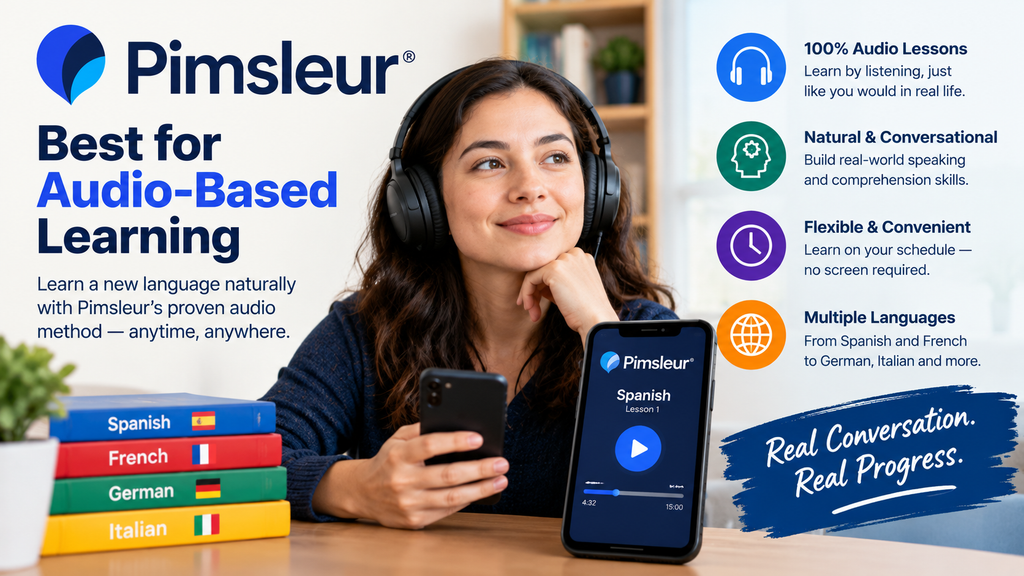
Pimsleur centers on 30-minute audio lessons that prompt learners to listen and respond aloud, making it ideal for commuters or anyone who prefers hands-free study. This audio-first structure emphasizes pronunciation and listening comprehension over reading or visual recognition, which makes it particularly effective for learners prioritizing spoken fluency over written skills. Because lessons don’t require a screen, Pimsleur fits naturally into routines like driving, walking, or exercising.
The audio-only format means Pimsleur offers less visual reinforcement and written practice than apps like Rosetta Stone or Babbel, so learners who want strong reading and writing skills alongside speaking typically need to supplement it with another resource.
Busuu: Best Free App With Native-Speaker Feedback
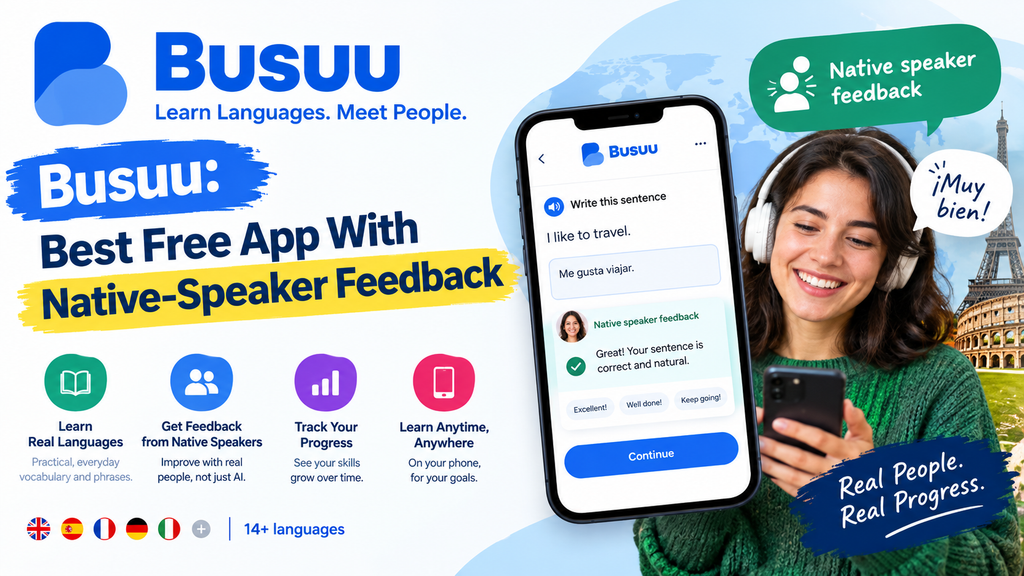
Busuu offers complete structured courses in its free tier, a feature most competitors reserve for paid subscribers, along with feedback from a community of native speakers on submitted exercises. This community-feedback model, where real speakers review a learner’s written and spoken exercises, gives Busuu an edge for learners who want human correction without paying for a tutor. Its courses are also aligned with the Common European Framework of Reference for Languages, or CEFR, a standardized scale used to measure language proficiency across European education systems.
This combination of complete free courses and native-speaker feedback makes Busuu one of the stronger options for learners who want structured progression without an immediate financial commitment.
How Do You Choose the Right App for Your Learning Style?
Choosing the right language app starts with identifying whether you learn best through repetition, structured grammar, visual immersion, audio, or human feedback. Visual learners generally do best with Rosetta Stone’s image-based approach, while learners who prioritize speaking and pronunciation often get more value from Pimsleur’s audio format. Those who want a balance of structure and affordability tend to gravitate toward Babbel or Busuu, while anyone simply looking to build a daily habit without financial commitment typically starts with Duolingo.
Should You Combine Apps With Live Tutoring?
Apps work best when paired with live conversation practice to develop real speaking skills. Self-guided apps are effective for vocabulary building and grammar review, but they can’t fully replicate the spontaneous back-and-forth of a real conversation, which is why many learners add one-on-one tutoring or language exchange platforms once they’ve built a foundation through an app.
Common Misconceptions About Language Learning Apps
A common misconception is that any single app can take a learner from zero knowledge to fluency without supplementary practice. In reality, even the most comprehensive apps struggle to replicate live conversation, cultural context, and real-time correction, which is why combining an app with tutoring or language exchange produces faster, more durable results. Another misconception is that gamified apps like Duolingo are inherently less effective than structured ones like Babbel; in practice, the right choice depends entirely on whether the learner’s primary obstacle is consistency, which gamification solves well, or grammatical understanding, which structured curricula address more directly.
Some learners also assume that paid apps are automatically more effective than free ones. Busuu’s complete free course tier and Duolingo’s extensive free content show that cost doesn’t always correlate with teaching quality, though premium features like offline access or advanced lessons often remain behind a paywall.
Conclusion
The top 5 language apps in 2026, Duolingo, Babbel, Rosetta Stone, Pimsleur, and Busuu, each serve distinct learning styles rather than competing on a single standard of quality. The strongest results typically come from matching an app to your personal learning preference, whether that’s gamified repetition, structured grammar, visual immersion, audio practice, or community feedback, and pairing it with live conversation practice once you’ve built a foundation. Readers exploring this topic further might also look into language exchange platforms like HelloTalk or compare live tutoring services such as italki and Preply for deeper conversational practice.
Frequently Asked Questions (FAQs)
1. What are the top 5 language apps in 2026?
The top five language apps in 2026 are Duolingo, Babbel, Rosetta Stone, Pimsleur, and Busuu. Each offers a different approach to language learning.
2. Which language app is best for free learning?
Duolingo is a popular choice for free, gamified daily practice, while Busuu offers structured courses in its free tier and feedback from native speakers.
3. Is Duolingo better than Babbel?
It depends on your goals. Duolingo is best for building daily study habits through short, game-like lessons, while Babbel emphasizes structured grammar and practical conversations.
4. Which language app is best for speaking practice?
Pimsleur is a strong option for listening and speaking practice because its audio lessons encourage learners to respond aloud. Pairing an app with live conversation practice can further improve speaking skills.
5. Is Rosetta Stone good for beginners?
Yes. Rosetta Stone uses images, context, and audio to help beginners associate words with meaning without relying heavily on translation. Learners who prefer explicit grammar explanations may prefer Babbel.
6. Which language app is best for learning while driving or walking?
Pimsleur is well suited to hands-free learning because its audio-based lessons do not require constant screen use. Follow local safety rules and avoid interacting with the app while driving.
7. Does Busuu offer feedback from native speakers?
Yes. Busuu includes community feedback on submitted exercises, allowing learners to receive corrections from other users, including native speakers.
8. Can you become fluent using only a language app?
Apps can help build vocabulary, grammar knowledge, listening skills, and study habits, but they may not provide enough spontaneous conversation practice on their own. Combining app lessons with tutoring or language exchanges can support broader fluency.
9. Are paid language apps better than free apps?
Not necessarily. Duolingo and Busuu provide useful free learning options. Paid subscriptions may offer additional features, but the best choice depends on your learning goals, preferred teaching style, and budget.
10. Can you use more than one language-learning app?
Yes. Combining apps can help cover different skills. For example, you could use Duolingo for daily practice, Babbel for grammar, or Pimsleur for listening and speaking.
11. Which language app is best for visual learners?
Rosetta Stone is a strong choice for visual learners because it connects images, audio, and meaning through an immersive approach.
12. Should you combine language apps with live tutoring?
Yes. Apps provide structured practice, while tutors and language-exchange partners offer real-time conversation, personalized correction, and opportunities to use the language naturally.