
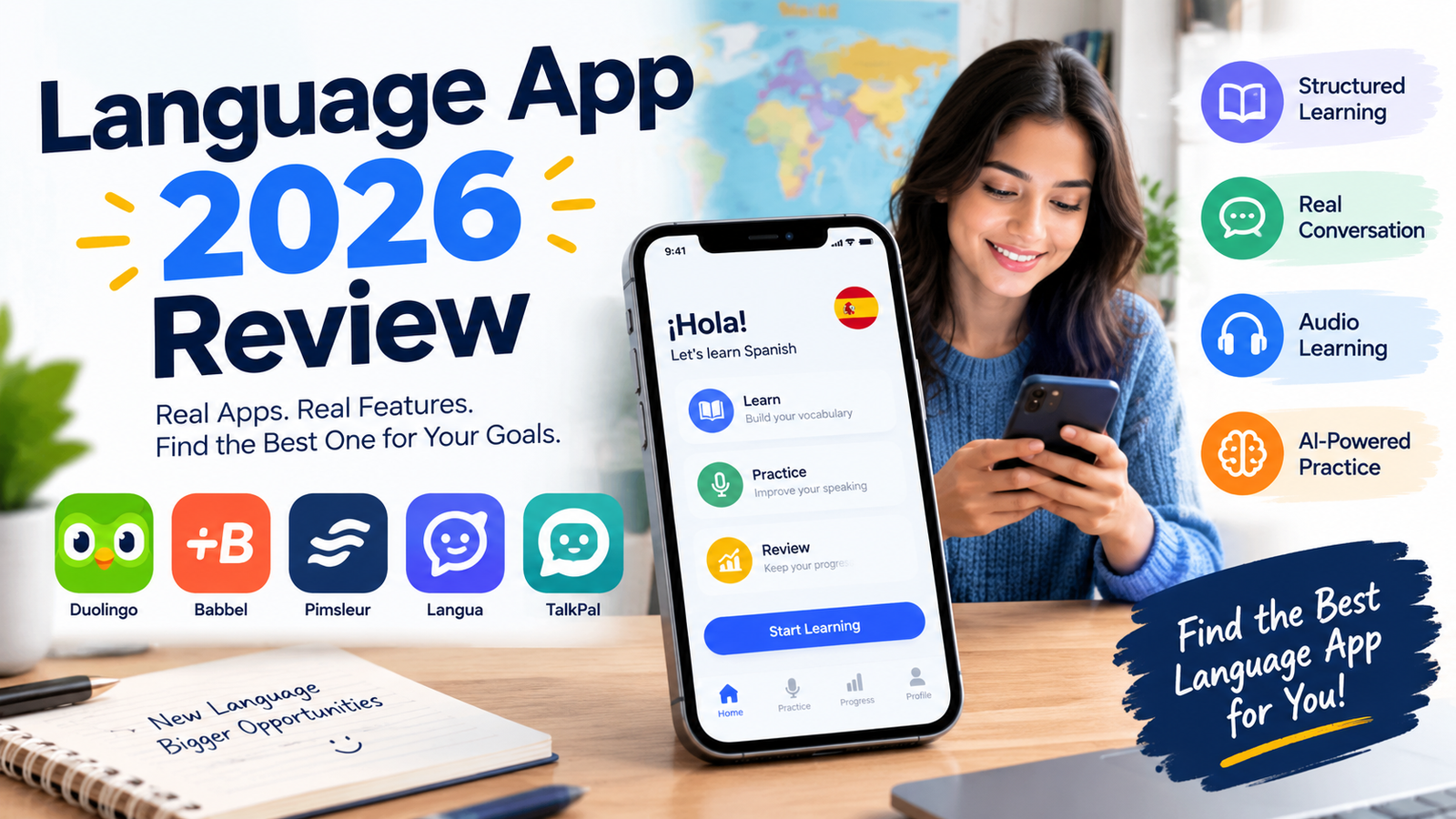
A language app review for 2026 shows no single app works best for everyone; the right choice depends on whether a learner wants grammar structure, real conversation practice, audio-based learning, or AI-powered speaking practice. Babbel remains the strongest pick for structured grammar instruction, Duolingo leads for free daily habit-building, Pimsleur dominates audio-only learning, and newer AI conversation apps like Langua and TalkPal have emerged as serious options for learners stuck at an intermediate plateau. This review breaks down the major categories of language apps available in 2026 and who each one actually suits.
What Are the Best Language Learning Apps in 2026?
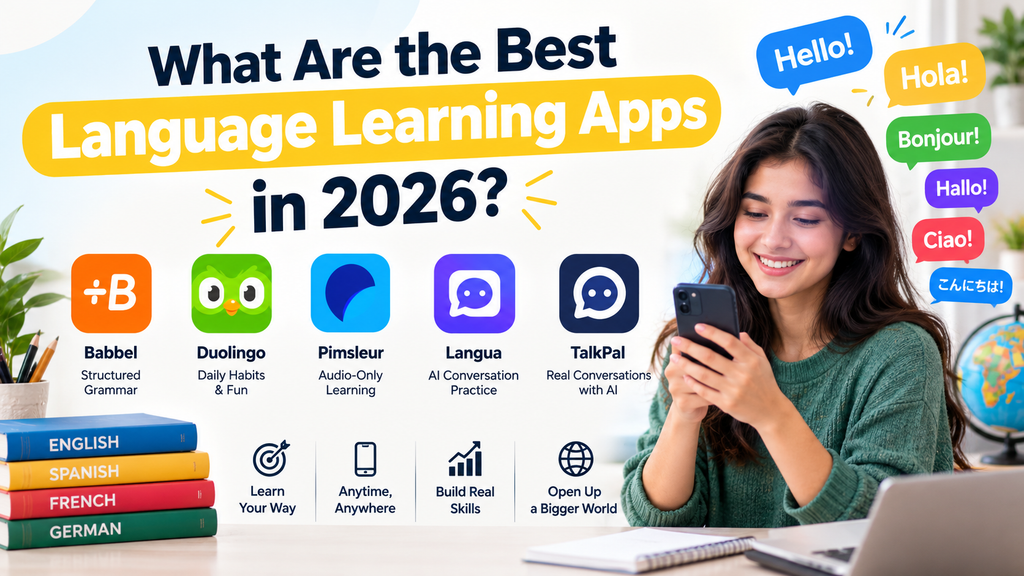
The strongest language apps in 2026 fall into distinct categories based on learning style rather than a single universal “best” app. Babbel continues to be widely regarded as the gold standard for structured language learning, built around clear lesson progression and grammar explanations designed by language experts, though its language catalog remains smaller than some competitors. Duolingo remains the most popular free option, offering gamified daily lessons with streak tracking across more than 40 languages, making it strong for habit-building even though it falls short on deeper speaking practice.
Rosetta Stone has been in the language education business for more than three decades and continues to rely on an immersive methodology that avoids direct translation, teaching through images, audio, and cultural context in a way designed to mirror how children acquire their first language. Pimsleur remains the top choice for audio-focused learners who want to practice pronunciation and listening skills without screen time, while Busuu offers CEFR-aligned structured courses with feedback from native speakers, making it a strong but often overlooked option for learners who want human correction without paying for a tutor.
How Do Newer Entertainment-Based Apps Compare?
Entertainment-based language apps have grown significantly as a category by 2026, led by platforms like Lingopie that teach through subtitled TV shows and movies rather than traditional lesson modules. This approach appeals to learners who want exposure to natural speech patterns, slang, and cultural context rather than textbook phrasing, though it works best as a supplement to structured grammar study rather than a standalone method for complete beginners.
How Have AI Language Apps Changed in 2026?
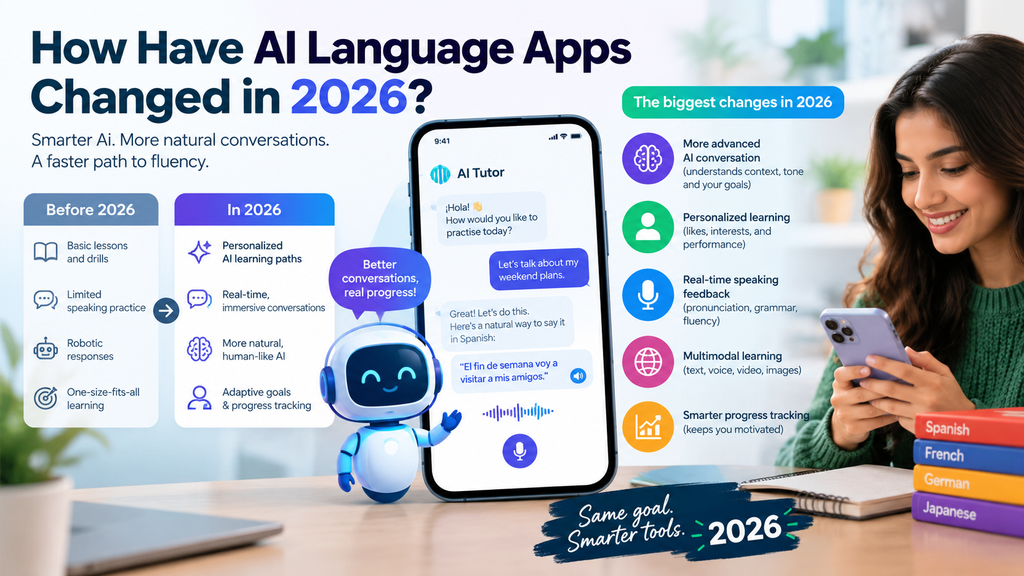
AI-powered language apps have matured into a distinct category in 2026, moving beyond simple chatbots into tools built specifically for unscripted conversation practice. Apps like Langua and TalkPal are designed primarily for intermediate learners who already understand basic grammar but need open-ended speaking practice to break through a plateau, making them a poor fit for absolute beginners who still need structured scaffolding. Hybrid apps such as Speak combine structured curriculum with AI conversation features, aiming to bridge the gap between beginner lessons and free-form speaking practice.
What Should You Know Before Choosing an AI Language App?
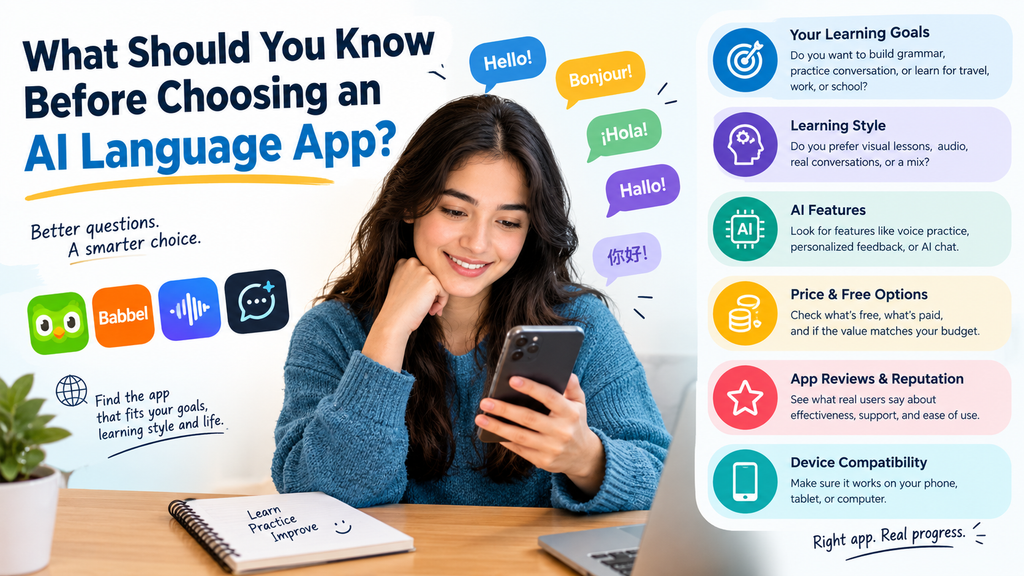
AI conversation apps work best as a supplement to, rather than a replacement for, foundational grammar and vocabulary study. Because these tools are optimized for open-ended dialogue, a learner without basic grammar knowledge can struggle to get meaningful practice from unscripted conversation, which is why most reviewers recommend pairing AI conversation apps with a structured beginner course rather than starting with AI practice alone.
How Should You Choose the Right App for Your Goals?
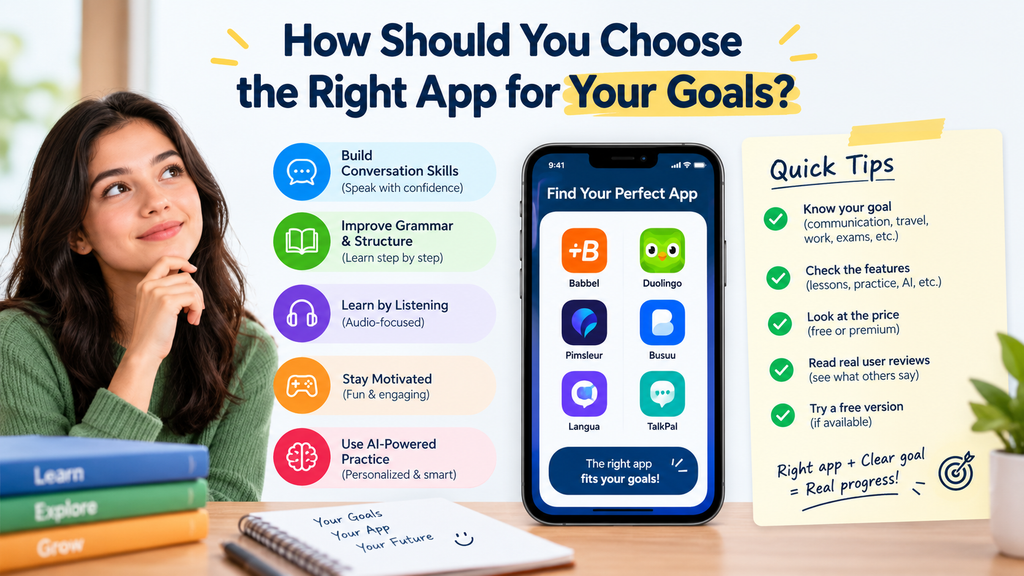
The right language app depends primarily on the specific skill a learner wants to build first, whether that’s vocabulary, grammar, speaking confidence, or listening comprehension. Someone building a free daily habit is generally better served by Duolingo’s gamified structure, while someone serious about grammar depth and structured progression tends to get more value from Babbel or Busuu. Learners whose primary goal is speaking confidence often benefit most from live tutoring platforms like italki or Preply, which connect learners directly with native-speaking tutors for real-time conversation practice, something no app-only tool can fully replicate.
Which App Works Best for Busy Adults?
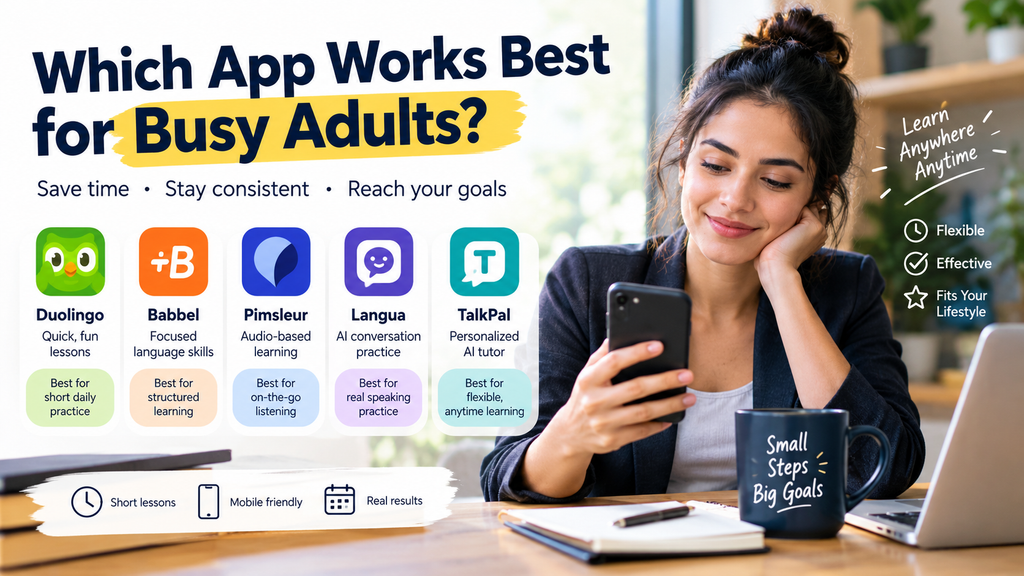
Short, structured lessons that fit into small pockets of time tend to work best for adults with limited daily availability. Apps built around five-to-ten-minute daily sessions, such as Duolingo or Babbel, are generally easier to sustain long-term than apps requiring longer, less flexible study blocks, which matters because consistency tends to affect language retention more than the total hours studied in any single sitting.
What Does Pricing Look Like Across Language Apps in 2026?
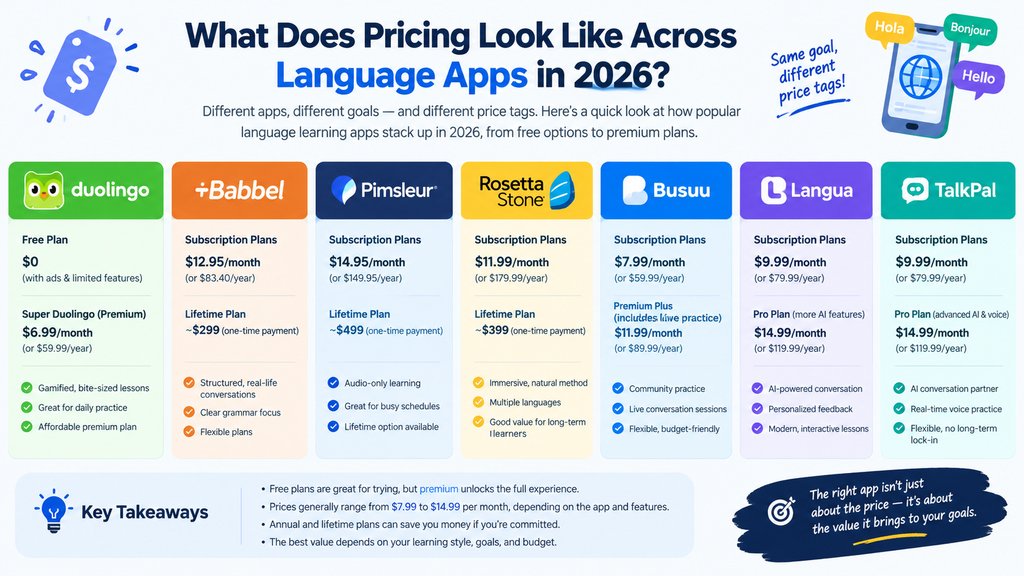
Pricing in 2026 varies significantly by app type, with most structured apps falling in the $13 to $18 per month range while tutoring platforms charge per session rather than a flat subscription. Rosetta Stone typically runs around $15.95 per month with a minimum multi-month commitment, while entertainment-based apps like Lingopie fall in a similar $13 to $18 monthly range. Tutoring platforms like italki operate differently, with lesson prices starting as low as a few dollars per session depending on the tutor’s experience and the language being taught.
Are Free Versions Worth Using?
Free tiers generally work best as a trial of an app’s teaching style rather than a complete learning solution. Most free versions are deliberately limited to encourage upgrading to a paid plan, though Duolingo remains a notable exception, offering genuinely usable free courses across dozens of languages, even if the ad-supported experience lacks some premium features like offline access or advanced review tools.
Common Misconceptions About Language Learning Apps
A common misconception is that one app can be objectively ranked as the single best option for every learner. In reality, app effectiveness depends heavily on individual learning style, target language, and specific goals, which is why most comprehensive reviews organize recommendations by use case rather than a single ranked list. Another misconception is that app-based learning alone can produce conversational fluency; most language acquisition research and app reviewers agree that apps work best when paired with live conversation practice, since no gamified exercise fully replicates the unpredictability of real-time speech.
Some learners also assume newer AI conversation apps are automatically superior to older structured apps like Babbel or Rosetta Stone. In practice, AI conversation tools serve a narrower purpose, specifically unscripted speaking practice for intermediate learners, and tend to underperform for complete beginners who still need the grammar scaffolding that structured apps provide.
Conclusion
The 2026 language app landscape offers meaningful options across every learning style, from Babbel’s structured grammar lessons and Duolingo’s free gamified habit-building to Pimsleur’s audio immersion and newer AI conversation tools like Langua for intermediate speaking practice. Rather than searching for one universally best app, learners get the strongest results by matching an app’s core strength to their specific goal, whether that’s vocabulary, grammar, or real-time speaking confidence. Readers exploring this topic further might also look into live tutoring platforms as a complement to app-based study, or research specific app comparisons for less commonly taught languages.
Frequently Asked Questions (FAQ)
1. What is the best language learning app in 2026?
The best language learning app depends on your goals. Babbel is ideal for structured grammar lessons, Duolingo is great for free daily practice, Pimsleur focuses on audio learning, and AI-powered apps like Langua and TalkPal help learners improve conversational skills.
2. Is Duolingo enough to become fluent?
Duolingo can help build vocabulary, develop basic grammar, and maintain a consistent learning habit. However, achieving fluency usually requires additional speaking practice, listening exercises, and real conversations with other speakers.
3. Which language learning app is best for grammar?
Babbel is a strong choice for learners who prefer structured lessons, clear grammar explanations, and guided progression. Busuu is another option, offering organized courses and opportunities to receive feedback from native speakers.
4. What is the best language app for speaking practice?
AI-powered apps such as Langua, TalkPal, and Speak provide opportunities to practice conversations and improve speaking confidence. For personalized feedback and natural interaction, live tutoring platforms like italki and Preply are also worth considering.
5. Are AI language learning apps worth it?
Yes, AI language apps can help learners practice conversations, improve fluency, and receive immediate feedback. They are particularly useful for intermediate learners but work best alongside structured grammar and vocabulary study.
6. Which language learning app is best for beginners?
Duolingo, Babbel, and Busuu are useful options for beginners. Duolingo offers accessible daily exercises, while Babbel and Busuu provide more structured learning paths for building foundational language skills.
7. What is the best language app for learning without looking at a screen?
Pimsleur is a strong choice for audio-based learning. Its spoken lessons emphasize listening, pronunciation, and responding aloud, making it suitable for learners who want to study while commuting or walking.
8. How much do language learning apps cost in 2026?
Pricing varies by platform, subscription plan, and region. Many paid language learning apps offer monthly or annual subscriptions, while tutoring platforms charge per lesson. Check each provider’s current pricing before subscribing.
9. Can I learn a language using only an app?
Apps can help develop vocabulary, grammar, listening, and speaking skills, but relying on one app may leave gaps in practical communication. Combining app-based lessons with authentic media and conversations can provide a more balanced learning experience.
10. What is the best language learning app for busy adults?
Duolingo and Babbel are convenient options for busy adults because they offer short lessons that fit into daily routines. The best choice is one that matches your schedule, learning preferences, and long-term goals.